The Blog
Notes From the Front Range
Longer pieces — the judgment calls, the Colorado specifics, the stories behind the homes. For quick answers to common questions, start with the Answers page.
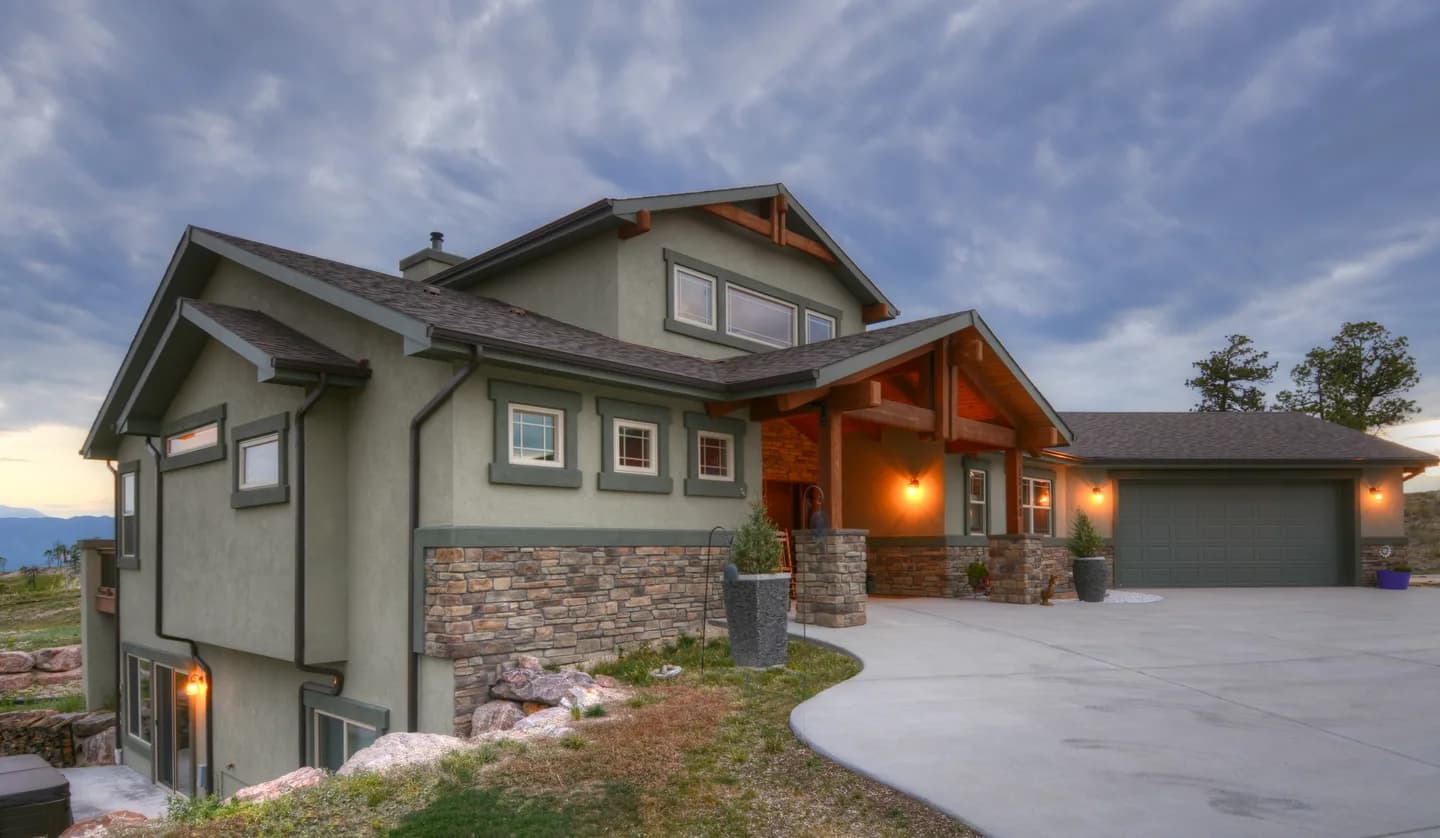
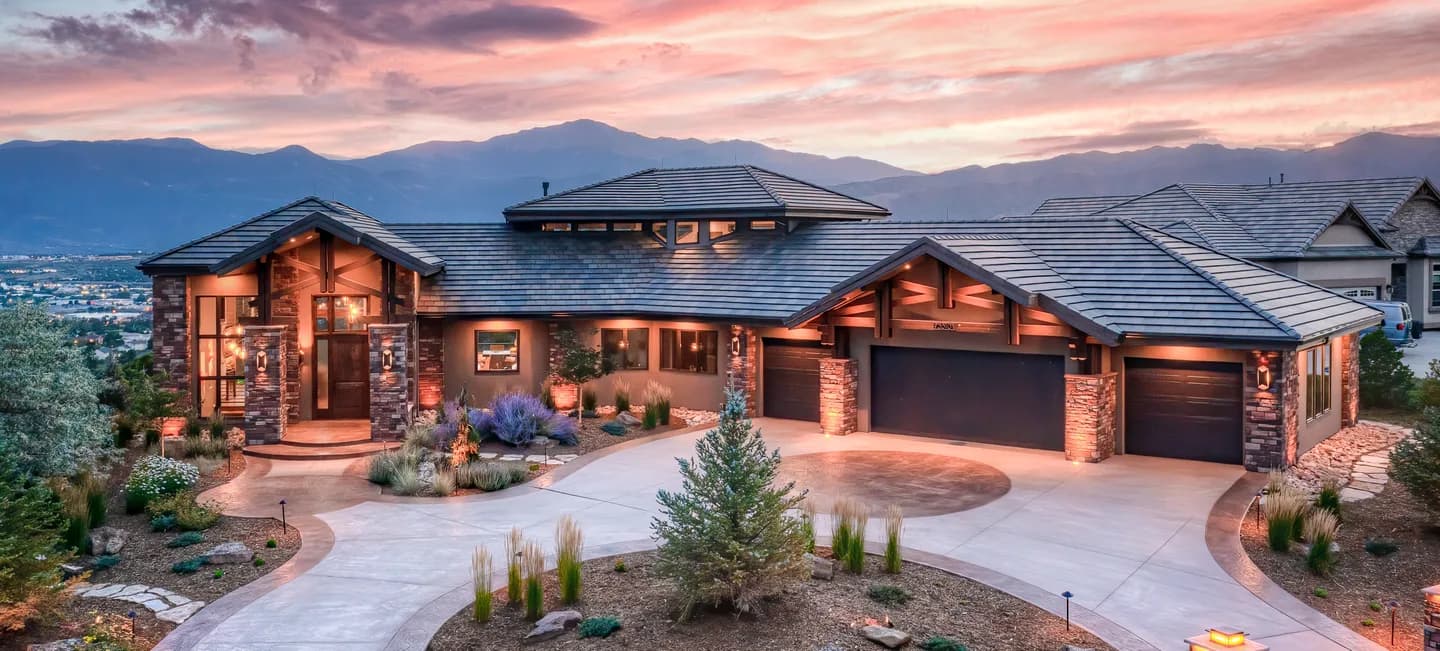
How Much Does It Cost to Build a Custom Home in Colorado? Six Real Examples
In the Colorado Springs area in 2026, a nicely finished custom home with a main level over a mostly finished basement costs about $300 to $325 per square foot to design and build. A home that is all on one level costs about $400 to $440 per square foot. Six recent Stauffer & Sons homes ran from $800,000 to $1.65 million. Land, well, septic, and landscaping are separate.
What Do Utilities Cost in Colorado? Electricity Bills Here Are Among the Lowest in the Country
Colorado’s average residential electricity bill ranks among the lowest of the 50 states — not because power is unusually cheap per kilowatt-hour, but because our climate barely uses it: mild summers that many homes don’t even air-condition, and winters that don’t keep the furnace burning around the clock.
HOAs, ACCs, and CC&Rs, Explained
An HOA is essentially a private government with the legal authority to assess dues, created by a recorded declaration of covenants that runs with your title. The ACC is its architectural review committee; the CC&Rs are the covenants, conditions, and restrictions you agree to by buying in. Here’s how it all works — and how to vet an HOA before you buy.
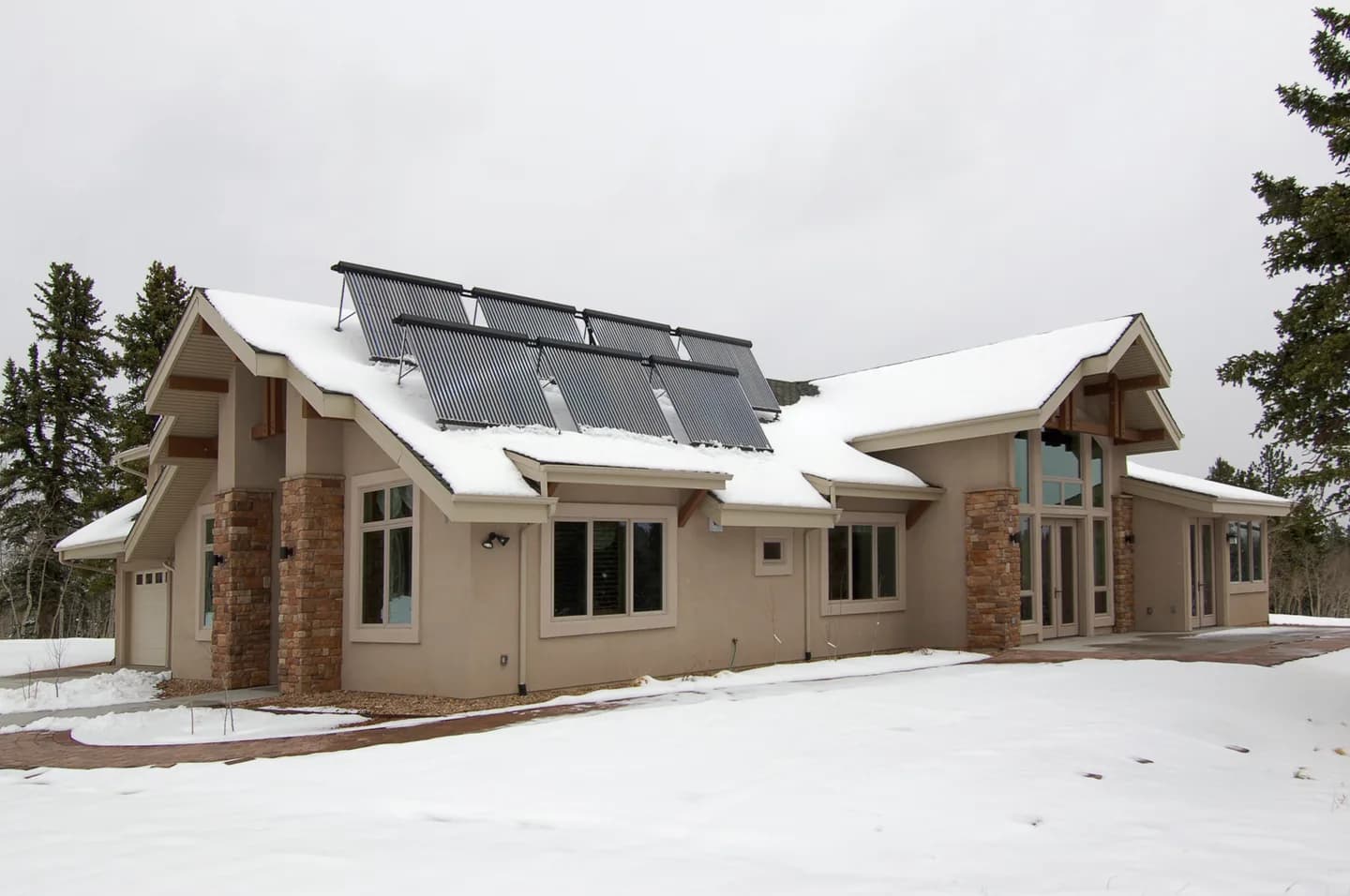
How Does a Geothermal Energy System Work?
A geothermal system moves heat between your home and the ground through fluid-filled ground loops: absorbing earth heat in winter and rejecting heat in summer, with a heat pump cycle — evaporator, compressor, desuperheater, reversing valve, expansion valve — doing the work. We most often pair it with in-floor radiant heat.
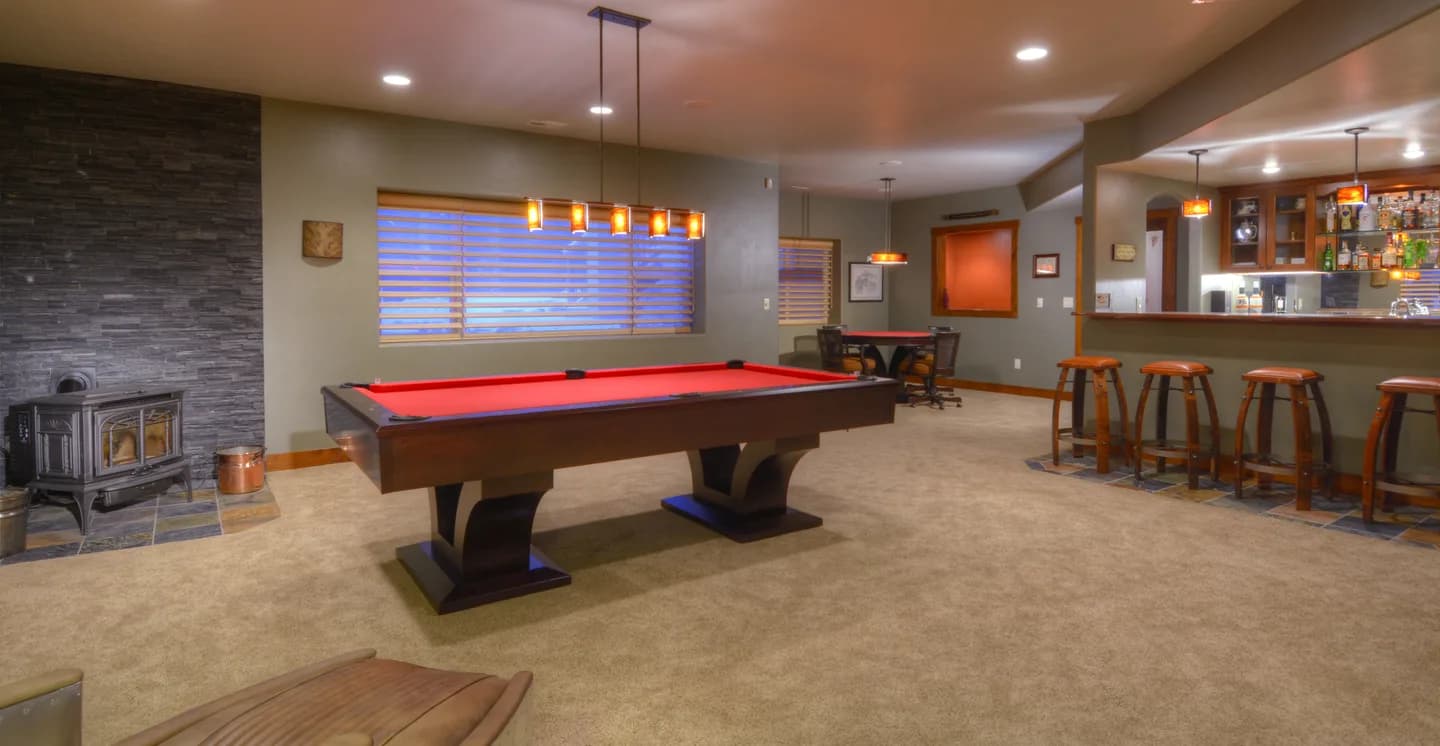
What Is a Floating Wall?
A floating wall is a basement framing technique used where expansive soils exist — like most of Colorado. The wall is built with a gap and anchored so it can move vertically, letting the soil beneath the basement floor swell and shrink without transferring that pressure into the structure above.
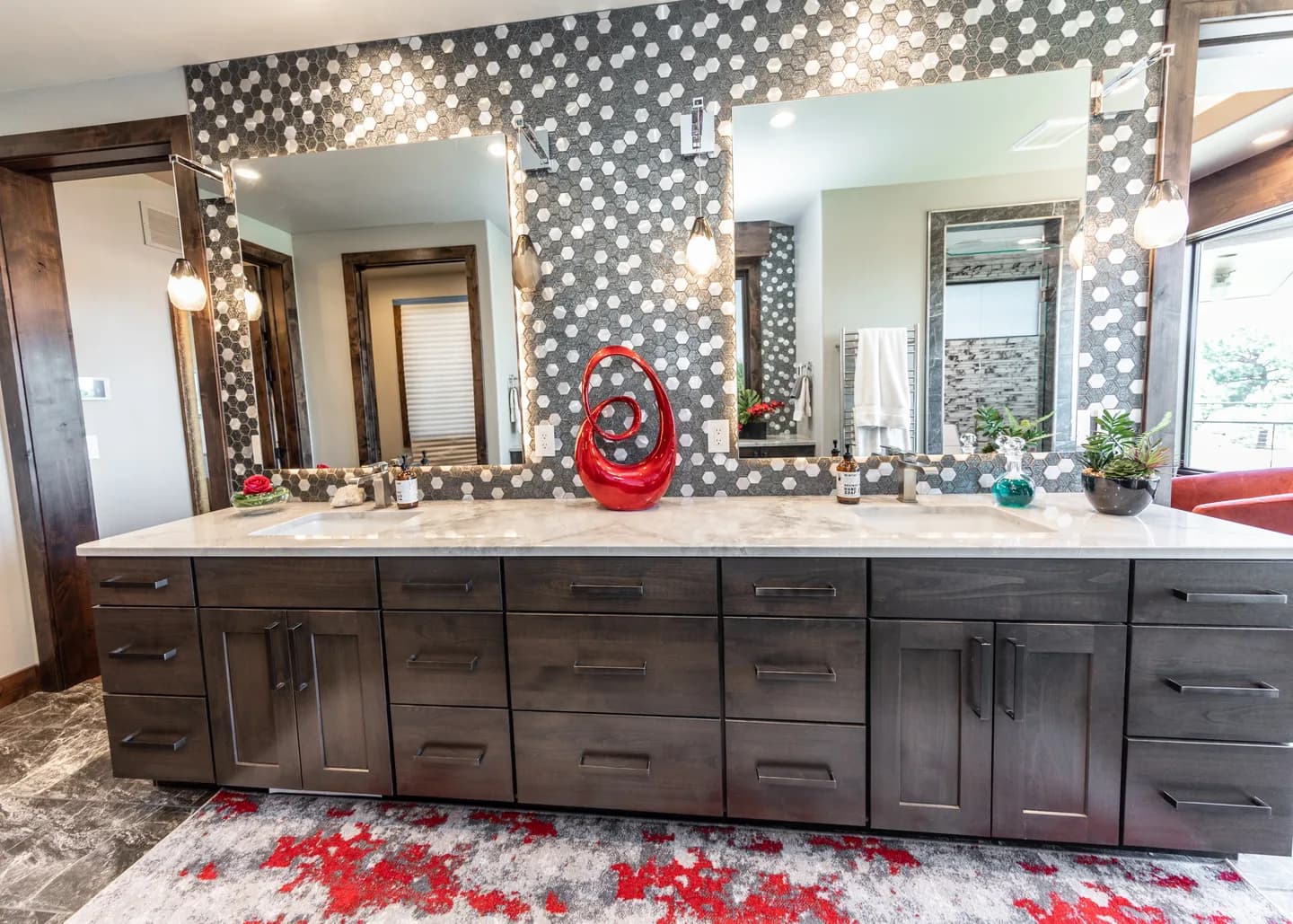
What Are the Red and Blue Pipes in My House?
Those red and blue plastic lines are PEX tubing — cross-linked polyethylene — the modern standard for home water supply lines. Red carries hot, blue carries cold. PEX replaced copper in most new homes because it costs less, installs faster, resists freeze-bursting, and needs far fewer fittings.
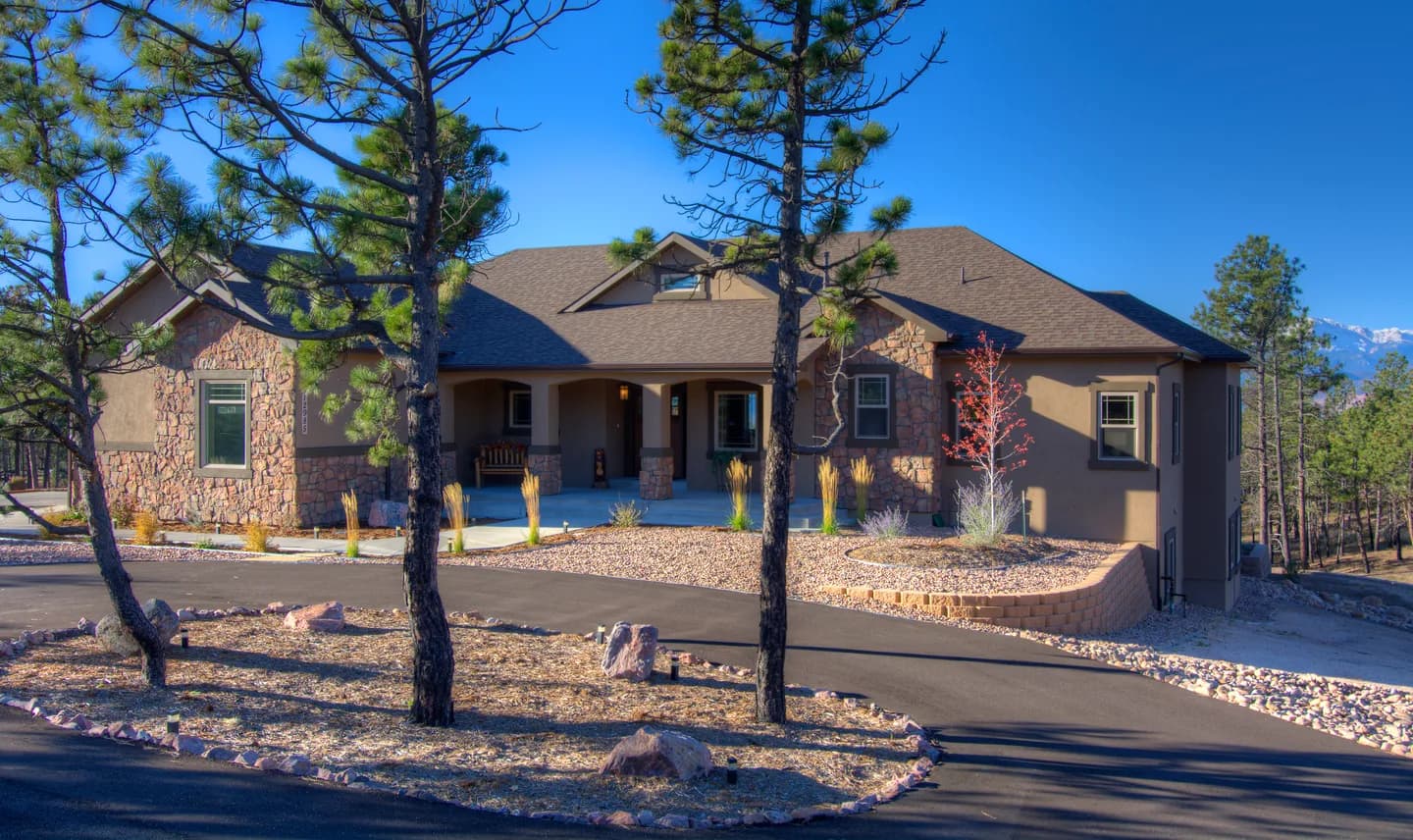
How Much Does It Cost to Drill a Well in Colorado?
On the Front Range, a well drilled into the Dawson aquifer at under 400 feet generally runs $20,000–$25,000. Drilling deeper — into the Denver, Arapahoe, or Laramie-Fox Hills aquifers — runs $40,000–$55,000 depending on your area. Your exact cost comes down to where your lot is, how deep we have to drill, and which rig the job needs.