Answers & Insights
Answers to Real Custom-Home Questions
Straight, useful answers to the questions Andy gets asked most — quick answers right here, and in-depth articles when a question deserves the long form. No sales pitch, just what we'd tell a friend.
Cost & Budget
What a custom home really costs, where the money goes, and how to budget honestly.
The full breakdown
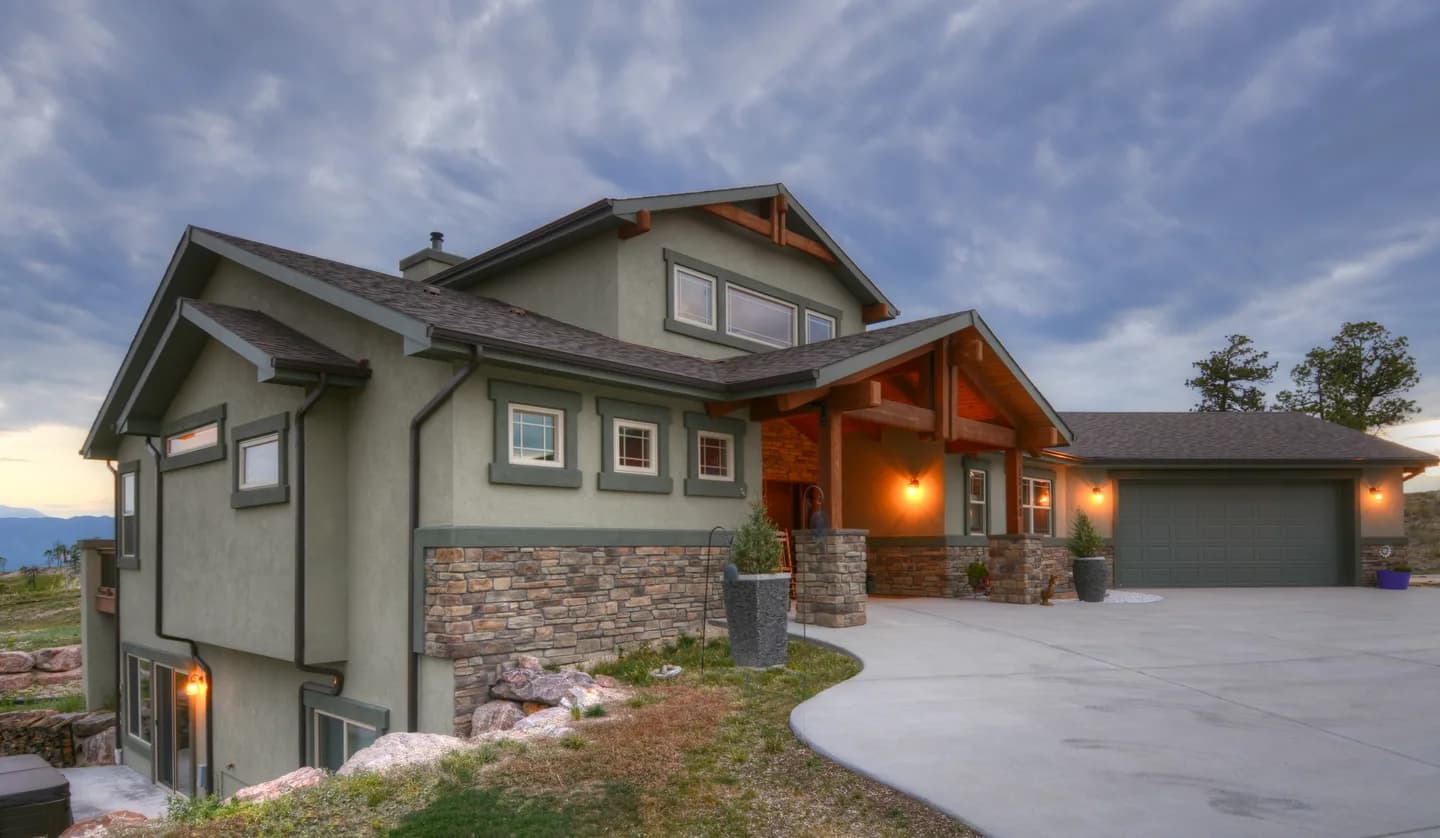
How Much Does It Cost to Build a Custom Home in Colorado? Six Real Examples
In the Colorado Springs area in 2026, a nicely finished custom home with a main level over a mostly finished basement costs about $300 to $325 per square foot to design and build. A home that is all on one level costs about $400 to $440 per square foot. Six recent Stauffer & Sons homes ran from $800,000 to $1.65 million. Land, well, septic, and landscaping are separate.
- Six real homes
- Cost per square foot
- Floor plans
- What's not included
Do you charge for the first conversation?
No. The first call is a conversation, not a contract. We talk through your land, how you want to live, and what you plan to spend — and you leave with real direction, whether or not we build together.
What price range do you build in?
Generally around $750K to $3M+. That's neither a floor nor a ceiling, and we don't go looking for million-dollar projects. What we try to avoid is the million-dollar home on a $600K budget, because that's where the heartbreak comes from. If the home you want and the number you intend to spend are in the same universe, call us.
How do you keep a project on budget?
Our whole driving principle is that people hate surprises. We set the destination in the first conversation — the size of the home, on how many levels, at what target budget — and then we design with that number in view the whole way. The moment an idea carries a significant cost, we flag it: we can do that, and here's what it costs. When the budget moves, we reset it out loud and make sure heads are nodding before we proceed.
What happens when I want to change something mid-design?
The answer is almost always yes — and it always comes with the number attached. Want to bump out a corner or add more timber to the great room? You'll hear what it does to the budget before you commit, not after. That's the whole discipline: no decision without its price tag.
Process & Timeline
How design-build works, what to expect, and how long each phase takes.
What's the very first step?
A conversation. We talk through your land, how you want to live, and your budget — and you leave with real direction, whether or not we go further together.
How long does the design phase take?
Conceptual design and budgeting usually takes four to eight weeks. Full design development — the permit-ready architectural and engineered plans — typically takes another three to six months, and it can run longer if you want it to; some clients take their time on purpose. The build itself usually runs eight to sixteen months, depending on size, site, and complexity.
Should I hire an architect first, or a builder first?
The hardest call we make is telling a family their finished plans cost one-and-a-half to two times their budget — heartbreak that's completely avoidable. Get a builder in the room while the design happens: either our in-house design, or your architect with us alongside pricing as it's drawn. Good architects welcome exactly that collaboration.
Do you work with outside architects?
Gladly. Some projects deserve a pedigreed architecture firm, and when that's the right path we'll say so — and often recommend one. We come aboard early under a scope-and-budgeting role, sit in the design meetings, and keep the drawings buildable, so the plans that reach the field make the crew nod instead of wince.
Land & Lots
Choosing and reading a lot — soils, water, access, and siting — before you buy.
Can you look at a lot before I buy it?
Yes — it's some of the most valuable work we do, and we'd rather help you evaluate a site before purchase than design around a problem you didn't know you were buying. Where the house sits, how it's reached, and what's under the surface drive both what's possible and what it costs.
What makes a Front Range lot expensive to build on?
The land itself drives the budget as much as the floor plan: expansive soils can mean an over-dig and amendments, bedrock can mean blasting, and a lot may need a deeper well, a cistern, or an engineered septic system. Access, driveway length, utilities, and fire-safe siting all change the number — which is why we read the site before we draw.
- HOAs, ACCs, and CC&Rs, Explained
An HOA is essentially a private government with the legal authority to assess dues, created by a recorded declaration of covenants that runs with your title. The ACC is its architectural review committee; the CC&Rs are the covenants, conditions, and restrictions you agree to by buying in. Here’s how it all works — and how to vet an HOA before you buy.
- How Much Does It Cost to Drill a Well in Colorado?
On the Front Range, a well drilled into the Dawson aquifer at under 400 feet generally runs $20,000–$25,000. Drilling deeper — into the Denver, Arapahoe, or Laramie-Fox Hills aquifers — runs $40,000–$55,000 depending on your area. Your exact cost comes down to where your lot is, how deep we have to drill, and which rig the job needs.
Fire & Insurance
Building in fire country, rebuilding after a wildfire, and working with insurance.
Do you rebuild homes lost to wildfire?
Yes. We rebuilt 21 homes for families after the Waldo Canyon and Black Forest fires — from the insurance paperwork through to a brand-new home, and in some cases back in under a year.
Will you deal with my insurance company?
Directly. We've worked with many insurers, mortgage companies, and adjusters over the years, and we help you navigate the paperwork so you rebuild with as much of your settlement as possible. Fire settlements generally come without strings beyond your budget — you're freer than you might think to build the home you actually want.
How Homes Work
The systems behind the walls — what they are, how they work, and what they cost to run.
New answers on how homes work are on the way.
- What Do Utilities Cost in Colorado? Electricity Bills Here Are Among the Lowest in the Country
Colorado’s average residential electricity bill ranks among the lowest of the 50 states — not because power is unusually cheap per kilowatt-hour, but because our climate barely uses it: mild summers that many homes don’t even air-condition, and winters that don’t keep the furnace burning around the clock.
- How Does a Geothermal Energy System Work?
A geothermal system moves heat between your home and the ground through fluid-filled ground loops: absorbing earth heat in winter and rejecting heat in summer, with a heat pump cycle — evaporator, compressor, desuperheater, reversing valve, expansion valve — doing the work. We most often pair it with in-floor radiant heat.
- What Is a Floating Wall?
A floating wall is a basement framing technique used where expansive soils exist — like most of Colorado. The wall is built with a gap and anchored so it can move vertically, letting the soil beneath the basement floor swell and shrink without transferring that pressure into the structure above.
- What Are the Red and Blue Pipes in My House?
Those red and blue plastic lines are PEX tubing — cross-linked polyethylene — the modern standard for home water supply lines. Red carries hot, blue carries cold. PEX replaced copper in most new homes because it costs less, installs faster, resists freeze-bursting, and needs far fewer fittings.
The blog
In-depth articles.
Longer pieces — the judgment calls, the Colorado specifics, the stories behind the homes. Each one is a full article.
How Much Does It Cost to Build a Custom Home in Colorado? Six Real Examples
In the Colorado Springs area in 2026, a nicely finished custom home with a main level over a mostly finished basement costs about $300 to $325 per square foot to design and build. A home that is all on one level costs about $400 to $440 per square foot. Six recent Stauffer & Sons homes ran from $800,000 to $1.65 million. Land, well, septic, and landscaping are separate.
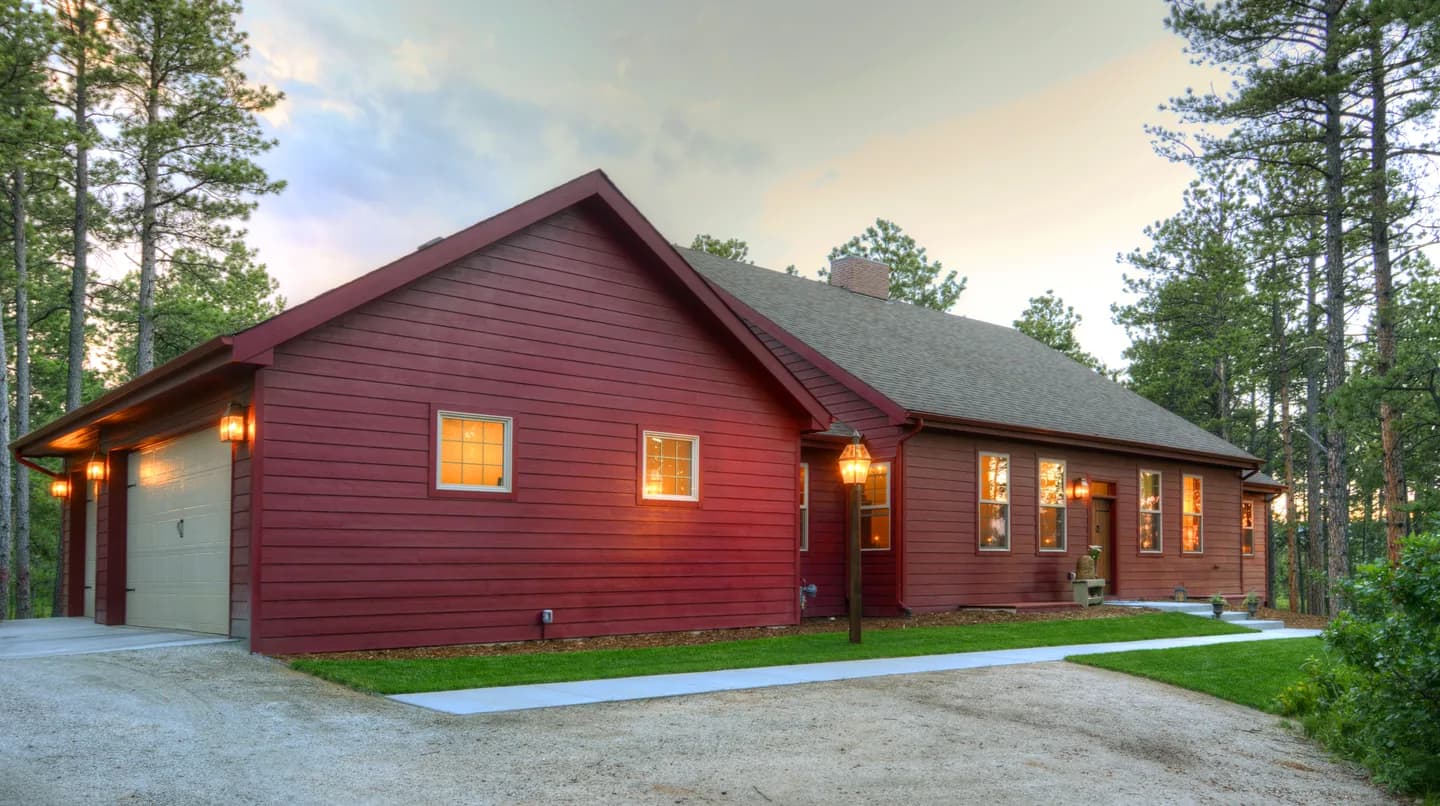
What Do Utilities Cost in Colorado? Electricity Bills Here Are Among the Lowest in the Country
Colorado’s average residential electricity bill ranks among the lowest of the 50 states — not because power is unusually cheap per kilowatt-hour, but because our climate barely uses it: mild summers that many homes don’t even air-condition, and winters that don’t keep the furnace burning around the clock.
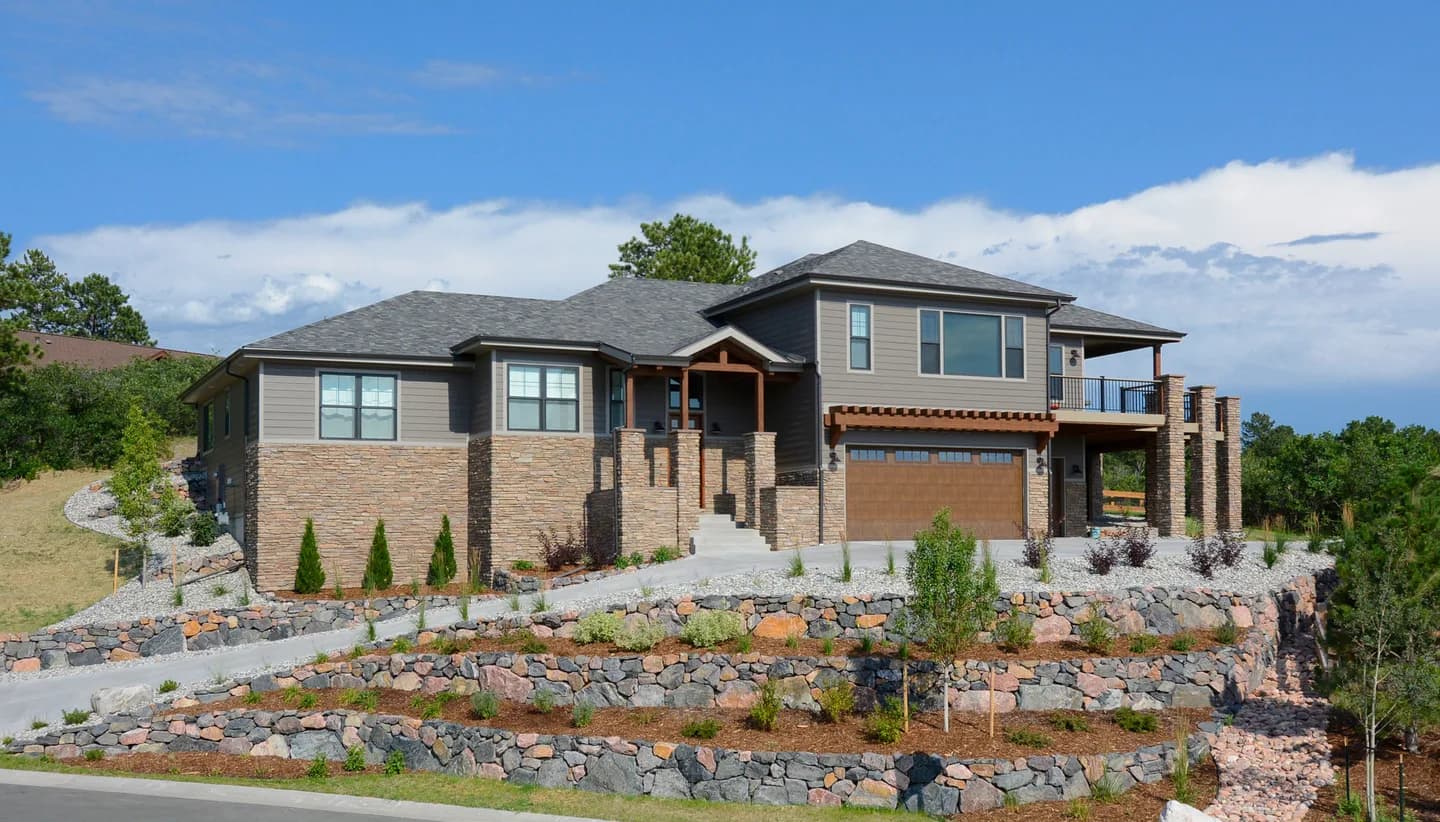
HOAs, ACCs, and CC&Rs, Explained
An HOA is essentially a private government with the legal authority to assess dues, created by a recorded declaration of covenants that runs with your title. The ACC is its architectural review committee; the CC&Rs are the covenants, conditions, and restrictions you agree to by buying in. Here’s how it all works — and how to vet an HOA before you buy.
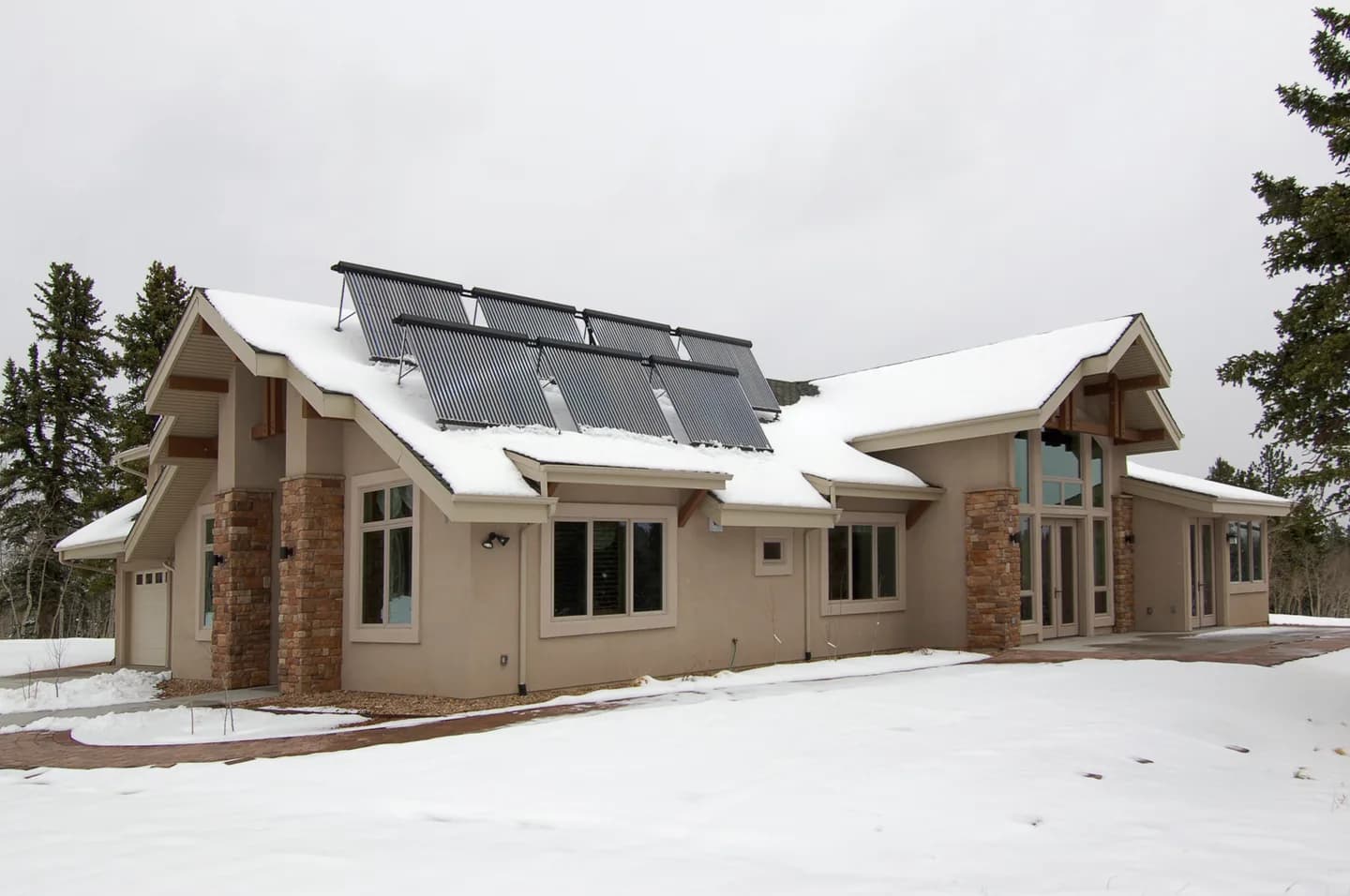
How Does a Geothermal Energy System Work?
A geothermal system moves heat between your home and the ground through fluid-filled ground loops: absorbing earth heat in winter and rejecting heat in summer, with a heat pump cycle — evaporator, compressor, desuperheater, reversing valve, expansion valve — doing the work. We most often pair it with in-floor radiant heat.
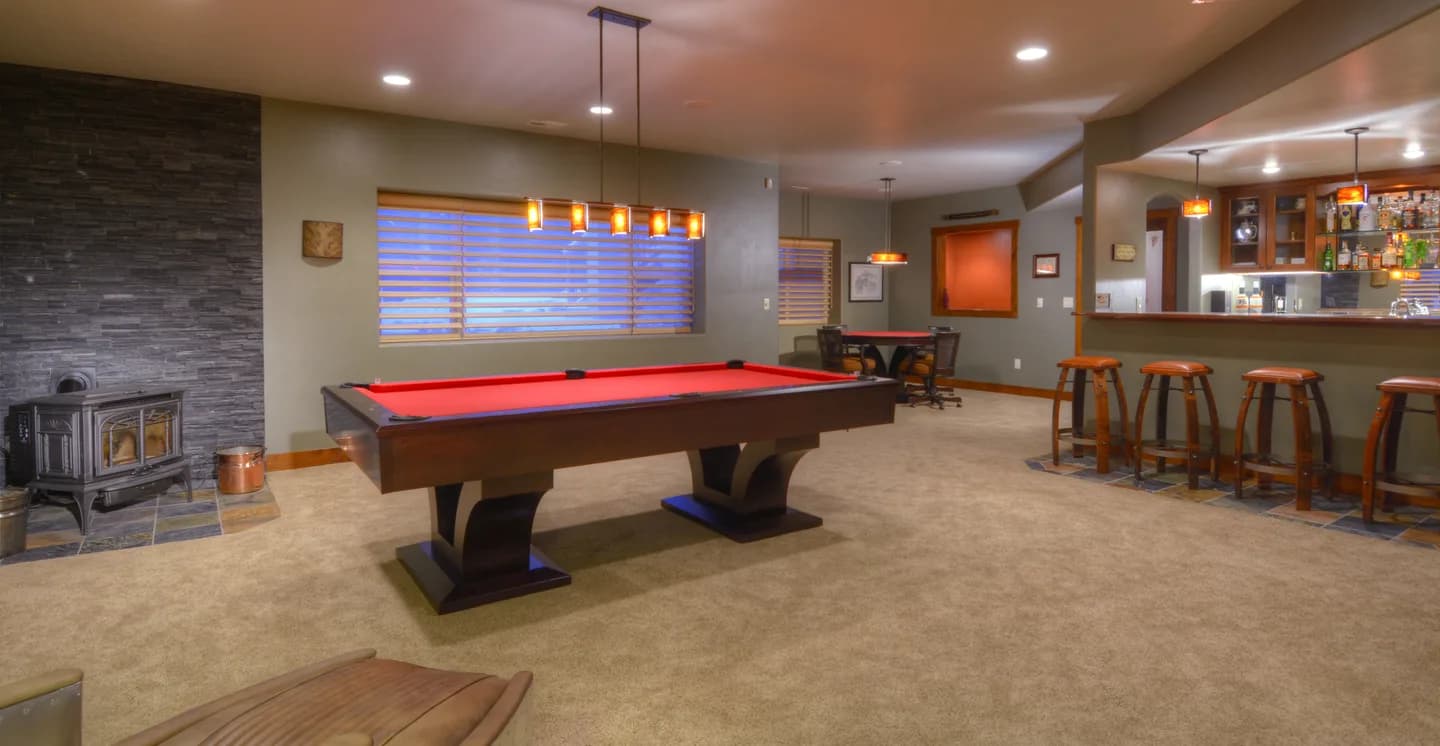
What Is a Floating Wall?
A floating wall is a basement framing technique used where expansive soils exist — like most of Colorado. The wall is built with a gap and anchored so it can move vertically, letting the soil beneath the basement floor swell and shrink without transferring that pressure into the structure above.
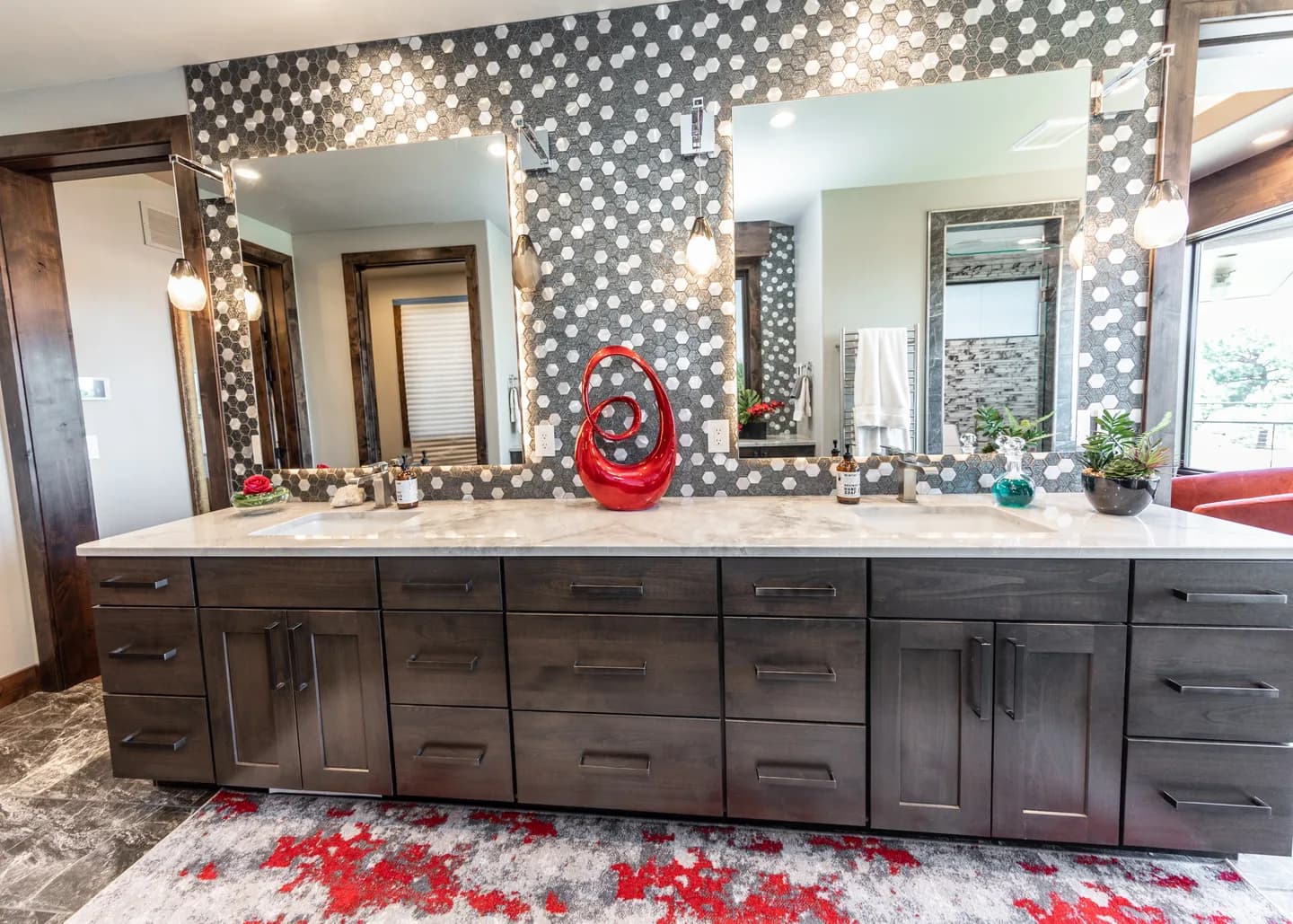
What Are the Red and Blue Pipes in My House?
Those red and blue plastic lines are PEX tubing — cross-linked polyethylene — the modern standard for home water supply lines. Red carries hot, blue carries cold. PEX replaced copper in most new homes because it costs less, installs faster, resists freeze-bursting, and needs far fewer fittings.
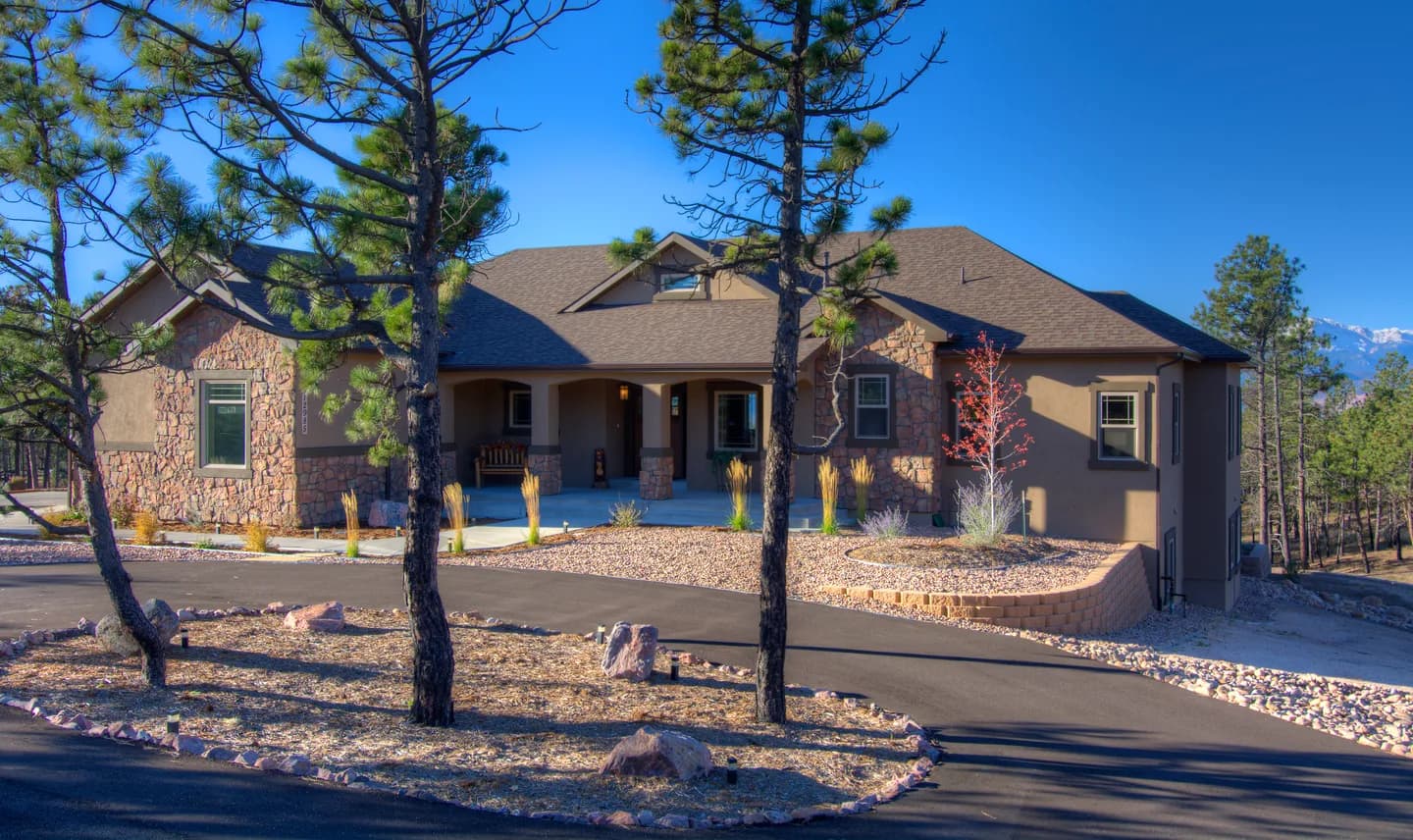
How Much Does It Cost to Drill a Well in Colorado?
On the Front Range, a well drilled into the Dawson aquifer at under 400 feet generally runs $20,000–$25,000. Drilling deeper — into the Denver, Arapahoe, or Laramie-Fox Hills aquifers — runs $40,000–$55,000 depending on your area. Your exact cost comes down to where your lot is, how deep we have to drill, and which rig the job needs.