The short answer: Colorado’s average residential electricity bill ranks among the very lowest of the 50 states. The interesting part is why: it isn’t that our price per kilowatt-hour is remarkable — we sit near the middle of the pack on price. It’s that our climate barely uses electricity. Mild, dry summers mean many Colorado homes don’t run — or even have — air conditioning, and our winters, cold as they look on postcards, don’t keep a furnace burning around the clock the way Midwest winters do.
The three numbers that matter
- Consumption: Colorado households use well below the national average in kilowatt-hours per month — among the lower half of states.
- Price: our cost per kilowatt-hour lands mid-pack nationally.
- The bill: multiply low usage by a middling rate and Colorado’s average monthly electric bill has consistently ranked in the bottom five states in U.S. Department of Energy data.
That pattern — modest rates, unusually low usage — has held for years, and it’s a genuine, durable cost-of-living advantage rather than a pricing fluke.
Why the climate does the work
The Front Range sits high and dry. Summer heat breaks in the evening — low humidity means the 90-degree afternoon becomes a 60-degree night, and a whole-house fan or open windows do what air conditioning does elsewhere. Winters bring real snow, but also abundant sunshine between storms; solar gain through well-placed windows is real heat in this climate. When we design a home here — orientation, insulation, in-floor radiant heat, and increasingly solar and geothermal systems — we’re building on a climate that’s already doing half the work.
What this means if you’re moving here
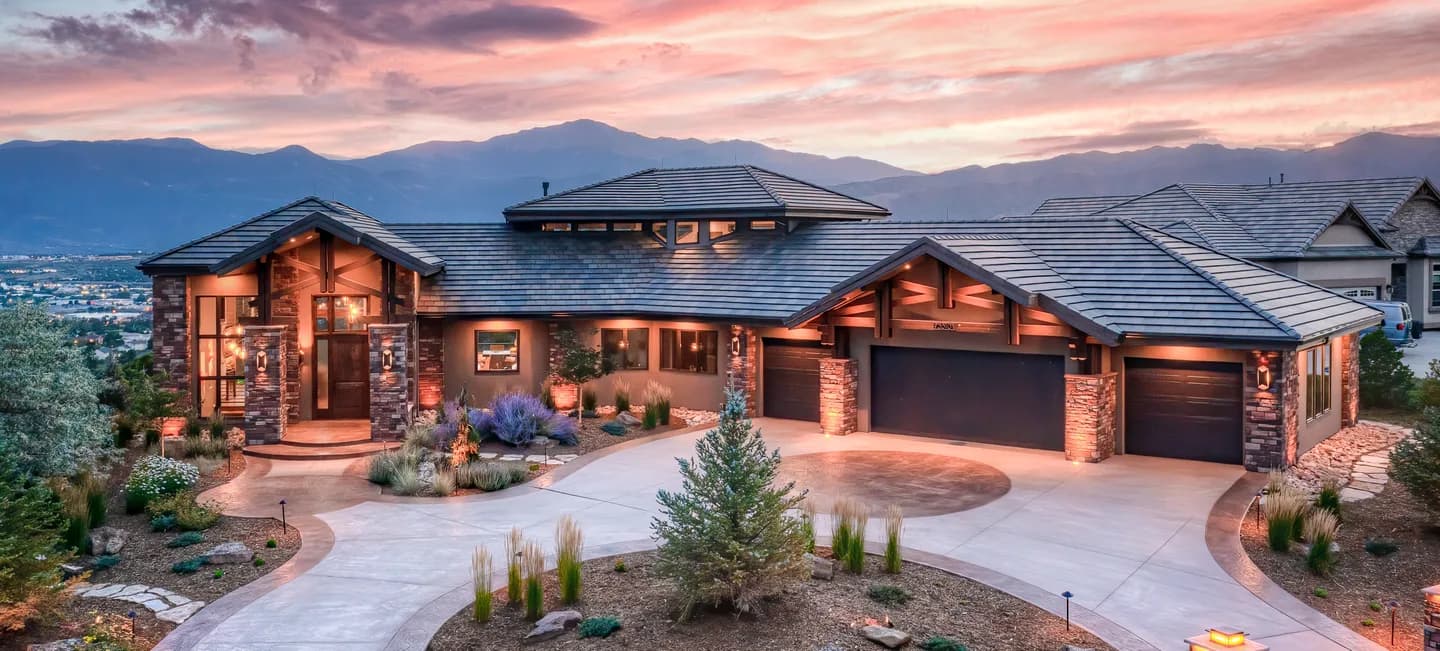
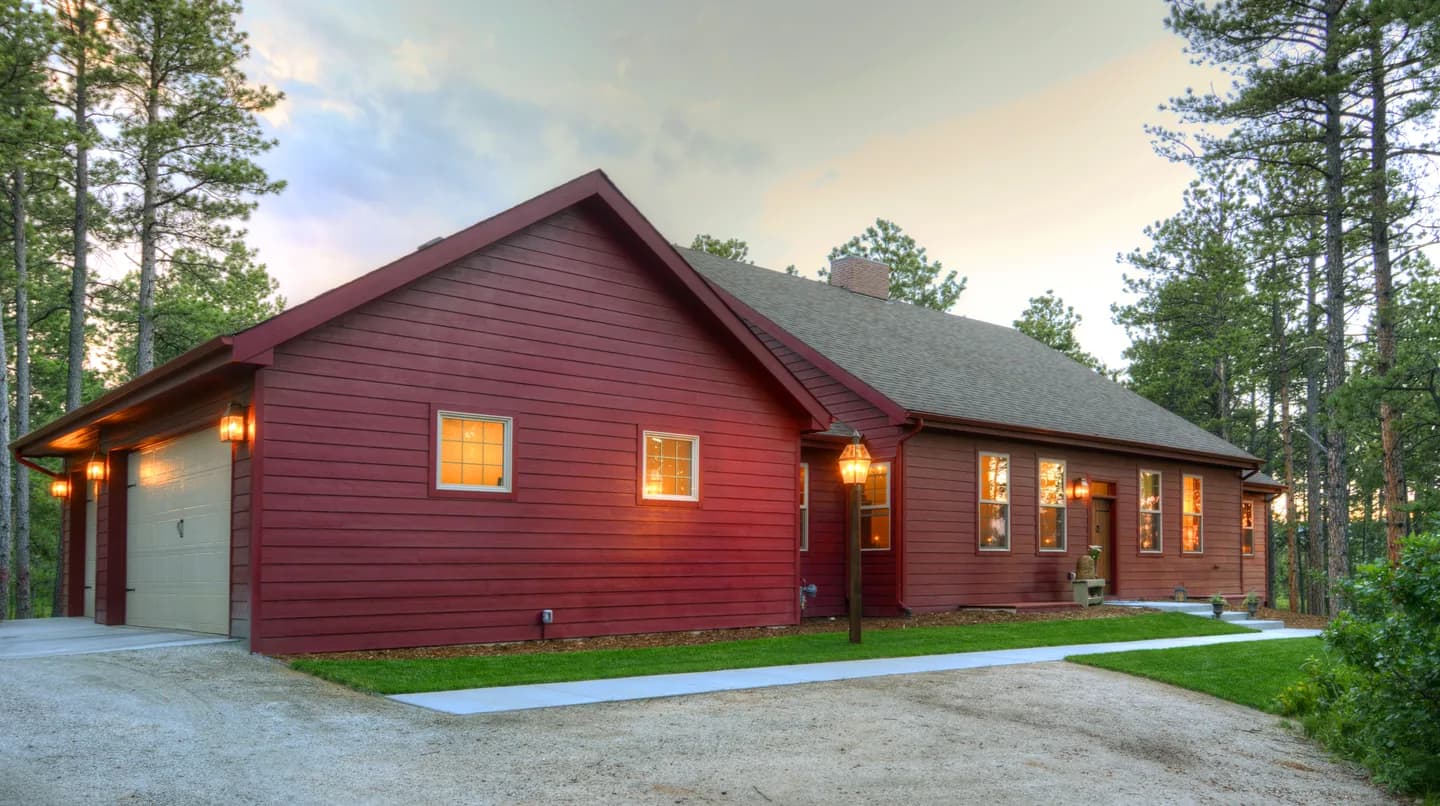
People move to Colorado for the quality of life — the outdoors, the sunshine, low humidity, and remarkably few bugs. The utility bills are one more line on that list: a home here simply costs less to run than the same home in most other states. If you’re thinking about building in Colorado Springs or the surrounding areas, utility performance is something we design for from the first sketch — see how our process works, or talk with Andy about your project.